Ground School: Where Aircrews Begin the Season
Nationwide (January 27, 2026 - When a Commemorative Air Force aircraft lifts off at an airshow or arrives over a community in a low, thunderous pass, it feels effortless. The engine sounds right. The aircraft looks steady. The crew appears calm and confident. What most people never see is where that moment truly begins.
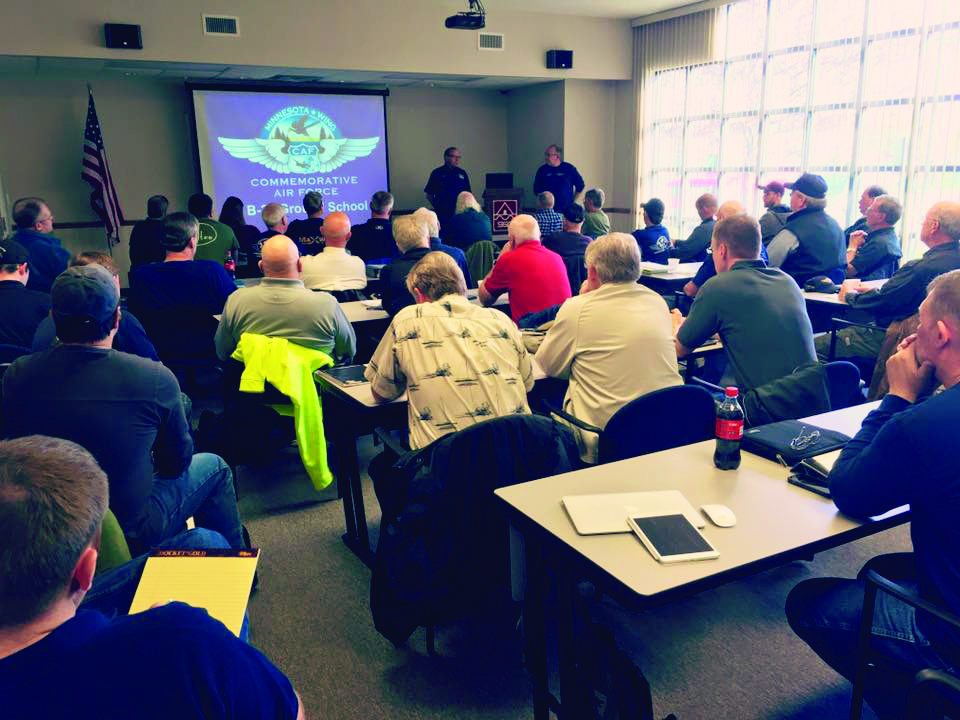
Before the first takeoff of the season, before the ramps fill with visitors and the calendars fill with tour stops, CAF aircrews gather in classrooms, hangars, and around quiet aircraft. This is Ground School, and it is one of the most important components of aircraft operations.
Ground School has deep roots in military aviation. As part of flight training, pilots and aircrews spent countless hours studying aircraft systems, emergency procedures, and operational doctrine before they were cleared to fly.
CAF aircraft are complex, powerful, and unforgiving of complacency. Many were designed in an era before automation, redundancy, or digital displays. They demand hands-on flying, systems knowledge, and constant awareness.
Ground School ensures that every CAF aircrew member—pilot or non-pilot—understands exactly what it takes to operate these historic aircraft safely and responsibly.
More Than a Classroom Experience
CAF Ground School is not limited to lectures or slides. It is immersive, practical, and aircraft-specific.
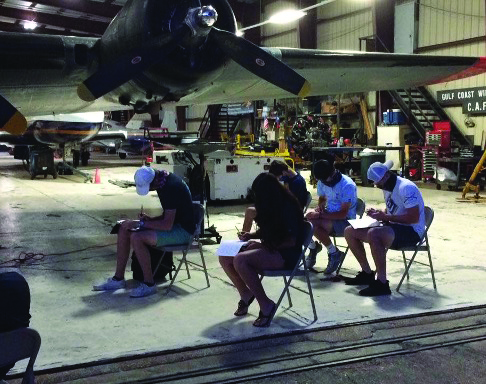
Each CAF aircraft is unique, and Ground School reflects that reality. Crews walk around and through the aircraft together, stopping at each section to discuss how it works, how it behaves in flight, and how it responds in abnormal or emergency situations. Engines, fuel systems, flight controls, electrical systems, crew coordination, and emergency procedures are examined in detail.
This hands-on approach turns abstract concepts into lived understanding. It allows experienced aircrew members to share insights gained from years of operating the aircraft, while newer crew members gain familiarity and confidence in a structured, deliberate environment.
Ground School is also a place where questions are encouraged. The goal is not speed or efficiency—it is comprehension.
Preparing for the Season Ahead
Across the CAF, Ground Schools and training flights typically take place in January and March, just ahead of the flying season. After months of maintenance, inspections, and winter downtime, this period serves as a reset for both aircraft and crews.
It is an intentional pause before the pace quickens.
By gathering before the season begins, aircrews can review lessons learned and reestablish standards. This ensures that when aircraft begin flying in earnest—often into demanding airshow and tour schedules—everyone is aligned, current, and ready.
These early-season Ground Schools also our safety culture. They remind aircrews that, regardless of how many hours they have logged, proficiency is never assumed. It must be maintained, season after season.
A Required Step to the Flightline
For CAF members who aspire to serve as aircrew, Ground School is a required milestone. It represents a commitment—not just to flying, but to doing things the right way.
Completing Ground School is a prerequisite for advancing in aircrew training. It establishes a shared baseline of knowledge and expectations across the organization, ensuring consistency whether an aircraft is flying in Texas, the Midwest, the West Coast, or overseas.
This structure is essential for an organization as diverse and geographically spread as the CAF. Ground School helps create a common language, a common mindset, and a common standard—no matter the aircraft or the Unit.
Understanding the Responsibility of the Role
CAF aircrews do more than fly airplanes. They serve as stewards of history and ambassadors for the organization’s mission to Educate, Inspire, and Honor.
Ground School reinforces that responsibility.
Aircrews are expected to understand the historical significance of their aircraft and the legacy it represents. When they step onto a flightline or engage with the public, they are often the human connection between modern audiences and the generation that built, flew, and maintained these aircraft during wartime.
That awareness matters. Ground School ensures that CAF aircrews are not only technically competent, but also mindful of the larger story they help tell every time an aircraft flies.
Learning Never Stops
One of the defining characteristics of CAF Ground School is that it is not a one-time event. Aviation demands continuous learning, and preservation aviation demands it even more.
Aircrews regularly revisit Ground School concepts through recurrent training, refreshers, safety briefings, and operational reviews. This ongoing education reflects a simple truth: experience is valuable, but preparation is essential.
By treating Ground School as an ongoing process rather than a checkbox, the CAF reinforces a culture of humility, professionalism, and vigilance.
Keeping History Flying—By Starting on the Ground
Ground School may not draw crowds or make headlines, but it is one of the most important reasons CAF aircraft continue to fly safely year after year.
It is where knowledge is shared, standards are reinforced, and the next flying season truly begins. It is where aircrews earn the privilege of taking these aircraft into the sky—and where the CAF honors the training traditions that made them fly in the first place.
Because before a warbird can educate, inspire, or honor anyone in the air, it must first be understood—on the ground.
Share on Social Media